
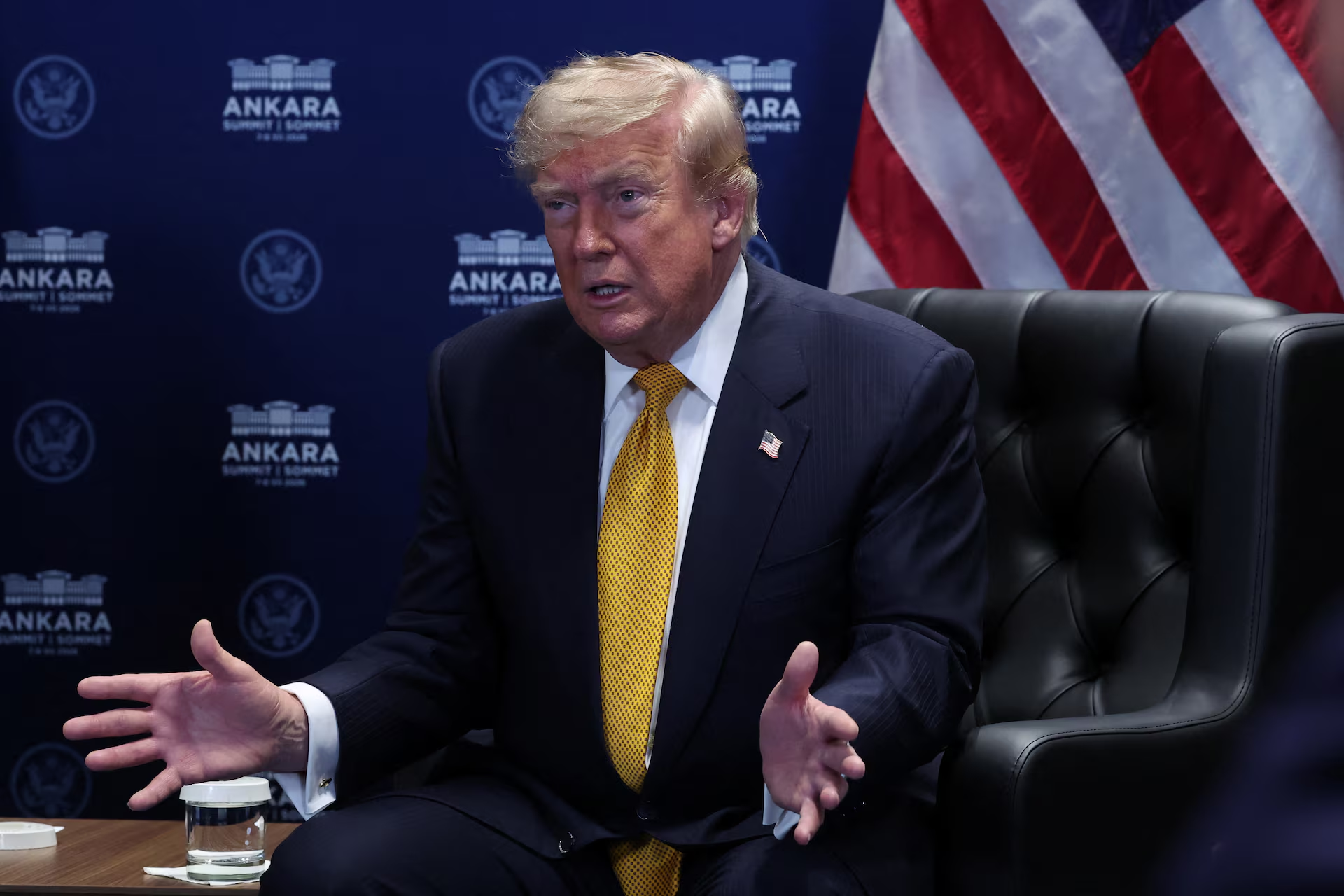
US President Donald Trump has stepped up his warnings against Iran, suggesting that Washington could launch further military strikes against the Islamic Republic. His remarks come amid renewed contacts with Israeli Prime Minister Benjamin Netanyahu and growing uncertainty over the future of the fragile regional situation. Tehran, meanwhile, warns that any new confrontation could trigger a longer and more intense conflict.
US President Donald Trump has renewed his threats against Iran, signalling that the United States could consider another military operation against the country if tensions continue to escalate.
Speaking at a rally in Iowa, Trump adopted a particularly tough tone towards Tehran, suggesting that Washington might eventually have to launch another major strike.
“The only reason I haven’t finished with Iran yet is that I want to be nice. But at some point, we’re going to have to hit them hard,” he said.
The American president also referred to the speed and capabilities of US military forces, claiming that certain targets could be struck within minutes. His comments have reignited concerns over the possibility of renewed American military action in the Middle East.
Trump and Netanyahu Discuss Iran
The latest statements come amid renewed consultations between Washington and Tel Aviv over the Iranian situation.
Trump reportedly held a telephone conversation with Israeli Prime Minister Benjamin Netanyahu to discuss the possibility and timing of further military strikes against Iran.
The discussions highlight the continued coordination between the two allies as they assess developments in the region. However, neither government has officially confirmed a decision to launch another military operation.
The prospect of renewed strikes has raised questions about the potential targets, the scale of any intervention and the risk of triggering a wider regional confrontation.
Tehran Warns Against a New War
Iran has responded to Washington’s threats with warnings that another military confrontation could have serious consequences.
Iranian army spokesperson Mohammad Akraminia said that the United States would not be able to determine the timing or conditions of an eventual end to hostilities.
He also warned that a new conflict could last longer than the previous confrontation, insisting that Iranian forces remained prepared to defend the country.
Tehran has repeatedly maintained that it is willing to consider diplomatic solutions while rejecting what it describes as unilateral American demands.
Strait of Hormuz Raises Strategic Concerns
Beyond the immediate military implications, any renewed confrontation could have significant consequences for regional security and international trade.
Particular attention is focused on the Strait of Hormuz, one of the world’s most important maritime routes for oil and gas shipments.
Any disruption to navigation through the strategic waterway could affect energy markets, international shipping and the economies of countries heavily dependent on hydrocarbon exports.
A new escalation could also increase security concerns among Gulf countries, particularly those hosting American military installations or maintaining close defence partnerships with Washington.
A Delicate Moment for Middle East Diplomacy
Trump’s latest statements come at a time when diplomatic efforts are struggling to prevent another escalation.
Washington and Tel Aviv continue to monitor Iran’s military capabilities and regional activities, while Tehran insists that it will respond to any new attack.
The situation also carries broader international implications, given the potential impact of renewed hostilities on global energy supplies, regional stability and relations between major powers.
For now, no official announcement confirms that the United States has decided to resume military operations against Iran. Nevertheless, Trump’s increasingly forceful rhetoric and the reported discussions with Netanyahu have placed the possibility of renewed strikes back at the centre of international attention.
Whether Washington ultimately chooses military action or returns to diplomatic engagement remains uncertain. What is clear is that tensions surrounding Iran continue to represent one of the most sensitive security challenges in the Middle East.