Morocco is entering a new phase in its port and industrial development strategy with the acceleration of the Nador West Med complex and the launch of the Tanger Med 3 project. These two major infrastructure initiatives, discussed during a working session chaired on Wednesday by King Mohammed VI at the Royal Palace in Rabat, reflect the Kingdom’s ambition to strengthen its position in international trade, attract new industrial investment, and consolidate its role as a logistics hub connecting Europe, Africa, and major global markets.
Morocco continues to transform its port system by turning major maritime infrastructure into powerful drivers of economic competitiveness and industrial attractiveness. The acceleration of Nador West Med and the planned development of Tanger Med 3 illustrate a strategy based on stronger integration between ports, industrial zones, logistics networks, and international markets.
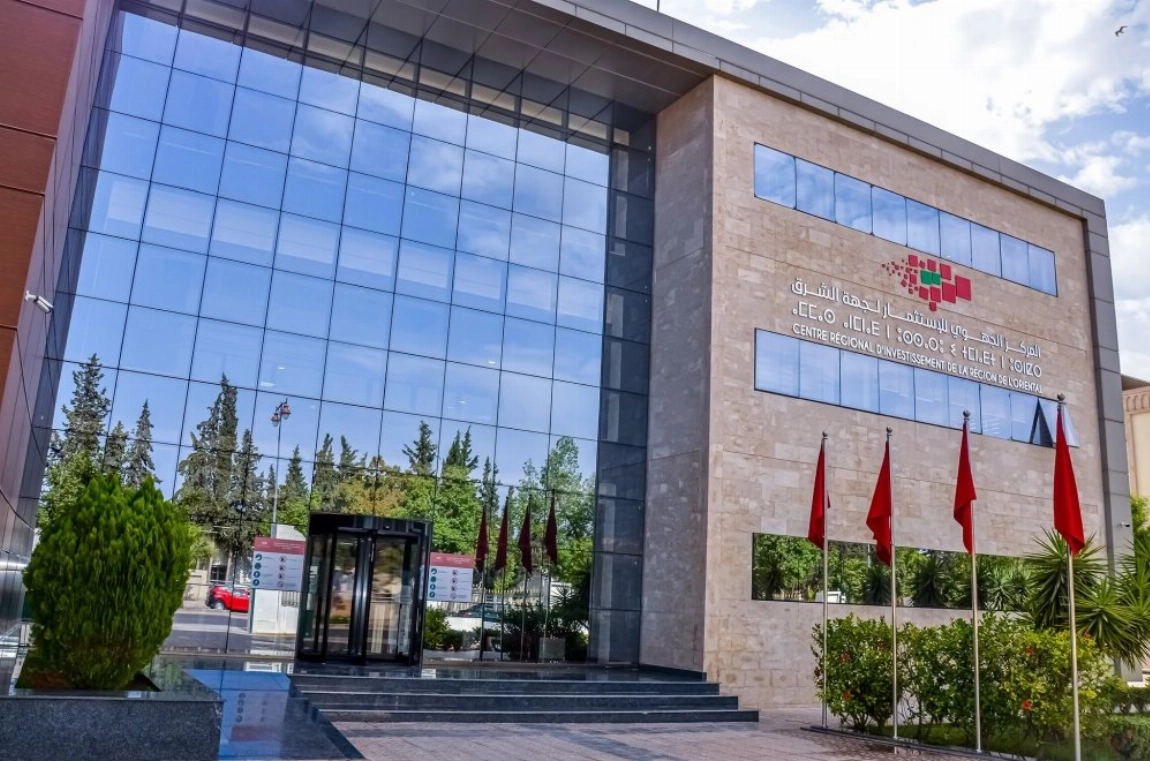
Located on Morocco’s eastern Mediterranean coast, Nador West Med is approaching a decisive milestone, with its first terminal expected to become operational in the coming days. This infrastructure represents a major catalyst for the economic transformation of the Oriental region, which has long faced challenges related to industrial development and investment attractiveness.
Beyond its maritime functions, Nador West Med aims to foster the emergence of a new industrial and logistics ecosystem capable of accommodating companies operating in manufacturing, maritime services, energy, and international trade-related activities.
Tanger Med 3: A New Dimension in Logistics
At the same time, the Tanger Med 3 project is expected to strengthen the capacity of Morocco’s leading port hub, which is already firmly integrated into the world’s major maritime trade routes. This new infrastructure comes at a time when international supply chains are undergoing significant restructuring, with companies increasingly seeking reliable, competitive logistics platforms located close to major consumer markets.
For manufacturers operating in Morocco, expanding port capacity represents a strategic advantage. It could facilitate exports, reduce certain logistics constraints, and strengthen the integration of Moroccan companies into international value chains.
The automotive, aerospace, textile, agri-food, and chemical industries are among the sectors likely to benefit from this momentum, particularly through improved connectivity between industrial platforms and maritime infrastructure.
The Oriental Region: A New Industrial Opportunity
The development of Nador West Med could also help rebalance Morocco’s industrial geography. By providing new logistics capacity in the eastern part of the country, the infrastructure creates opportunities for establishing manufacturing facilities and developing specialized industrial services.
However, achieving these ambitions will depend on several critical factors, including the availability of industrial land, the quality of railway and road connections, access to competitively priced energy, and the development of a skilled workforce capable of meeting investors’ requirements.
Another major challenge will be ensuring that Moroccan small and medium-sized enterprises are effectively integrated into the economic activities generated by these new port complexes, allowing infrastructure investment to produce sustainable benefits for regional economies.
Through Nador West Med and Tanger Med 3, Morocco is therefore seeking more than an increase in maritime cargo-handling capacity. The Kingdom aims to strengthen its logistics autonomy, enhance its attractiveness to international investors, and consolidate its position within emerging global value chains.
The true significance of these projects will ultimately be measured by their ability to transform port infrastructure into productive investment, skilled employment, and new industrial opportunities across Morocco’s regions.