


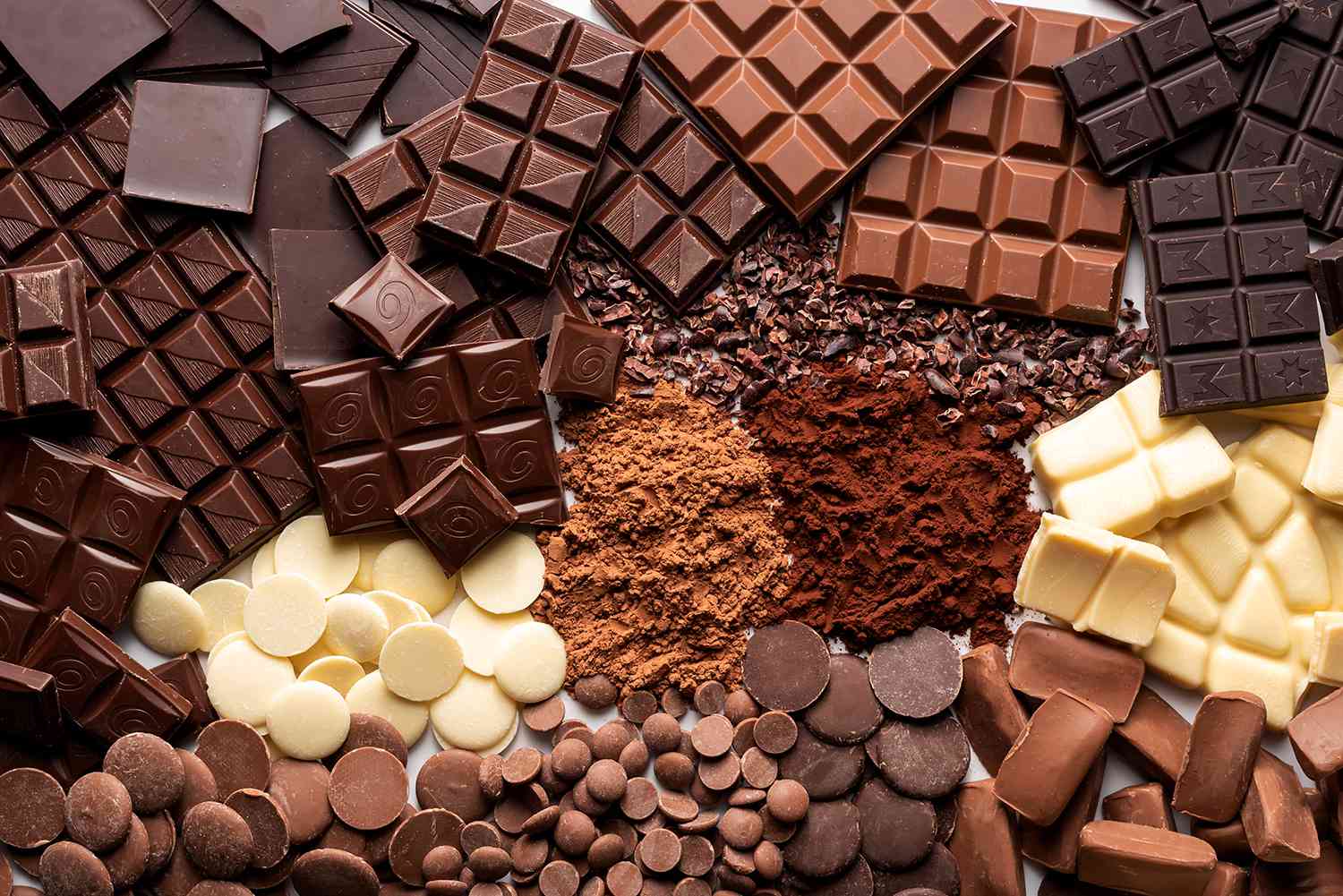

With imports of chocolate and food preparations containing cocoa reaching $121.24 million in 2024, the sector has emerged as a significant market within Morocco’s food-processing industry. Behind these trade flows lies an industrial challenge: increasing local processing, strengthening Moroccan brands and positioning the Kingdom as a regional platform for African markets.
Morocco’s chocolate market continues to develop, driven by demand from large retail chains, the hotel, restaurant and café sector, pastry and confectionery businesses, professional chocolatiers and specialized distribution channels. According to international trade data, imports classified under customs code HS 1806 reached $121.24 million in 2024, corresponding to a volume of 22.61 million kilograms. This category covers chocolate in various forms as well as food preparations containing cocoa.
The structure of supplies reveals a strong presence of European suppliers. Spain ranked first with $34.76 million, followed by Germany with $18.61 million, Italy with $15.73 million, Belgium with $12.81 million and France with $9.59 million. Egypt is also a significant supplier, with $7.29 million.
This concentration reflects the importance of European products in the Moroccan market, but it also highlights substantial opportunities for developing domestic industry. Increasing production in Morocco, improving quality and developing competitive brands could enable local manufacturers to capture part of the value currently associated with imports.
Another indicator concerns chocolate preparations, particularly those presented in block form and classified under HS 180620. Imports in this category reached $18.91 million, representing nearly 3 million kilograms in 2024, with Belgium and Germany among the leading suppliers.
Domestic Industry Accelerates
The Moroccan market does not rely exclusively on imported products. The Kingdom has an established industrial base in chocolate production and continues to invest in manufacturing and processing capacity.
The example of Aiguebelle in Casablanca illustrates this development. In 2023, the company inaugurated a new production line representing an investment of 75 million dirhams, with an announced production capacity of 20 tonnes per day. The investment reflects the industry’s drive to strengthen domestic production and develop higher-value-added products.
The challenge goes beyond simply meeting domestic consumption. For Moroccan industry, developing the chocolate sector can also form part of a strategy to expand into African markets, leveraging the Kingdom’s industrial, logistical and commercial infrastructure.
Value Added at the Heart of the Market
The main economic challenge now lies in increasing locally generated value added. Morocco imports part of its finished products, while at the same time possessing the capabilities needed to further develop processing, packaging and marketing.
Growth opportunities span several segments, including premium chocolate, pastry and confectionery, professional chocolate products, goods targeting the hotel, restaurant and café sector, confectionery, gift products and new ranges responding to changing consumer habits.
The development of Moroccan brands is another potential growth driver. A more integrated industry could simultaneously meet domestic demand, reduce certain imports of finished products and create new export capacity.
African Cocoa as a Strategic Lever
The sector also offers an opportunity to strengthen economic relations between Morocco and West Africa. While the Kingdom relies heavily on European suppliers, the raw material is primarily produced in several African countries, notably Côte d’Ivoire and Ghana.
This complementarity between African raw materials and Moroccan industrial capacity could support the development of regional value chains. Greater integration of cocoa sourcing, processing, manufacturing, packaging and distribution could strengthen links between Morocco and West African markets.
This potential is particularly relevant for industrial companies seeking to develop products adapted to African markets while benefiting from Morocco’s logistical infrastructure and geographical position.
Industrial Potential to Be Developed
With imports reaching $121.24 million in 2024, the chocolate market represents more than simply a consumer segment. It offers potential opportunities for industrial investment, innovation, brand development and the creation of new value chains.
Key development areas include chocolate production, cocoa processing, ingredients for professional users, packaging, specialized distribution and exports to African markets.
The challenge for Morocco will now be to transform part of this import-driven demand into value produced locally. Expanding production capacity and moving towards higher-value products could gradually strengthen the Kingdom’s role in the chocolate value chain.
In the longer term, the chocolate market could become part of a broader ambition: positioning Morocco not only as a consumer market, but also as a platform for chocolate processing and distribution between Europe, Africa and the Mediterranean region.