


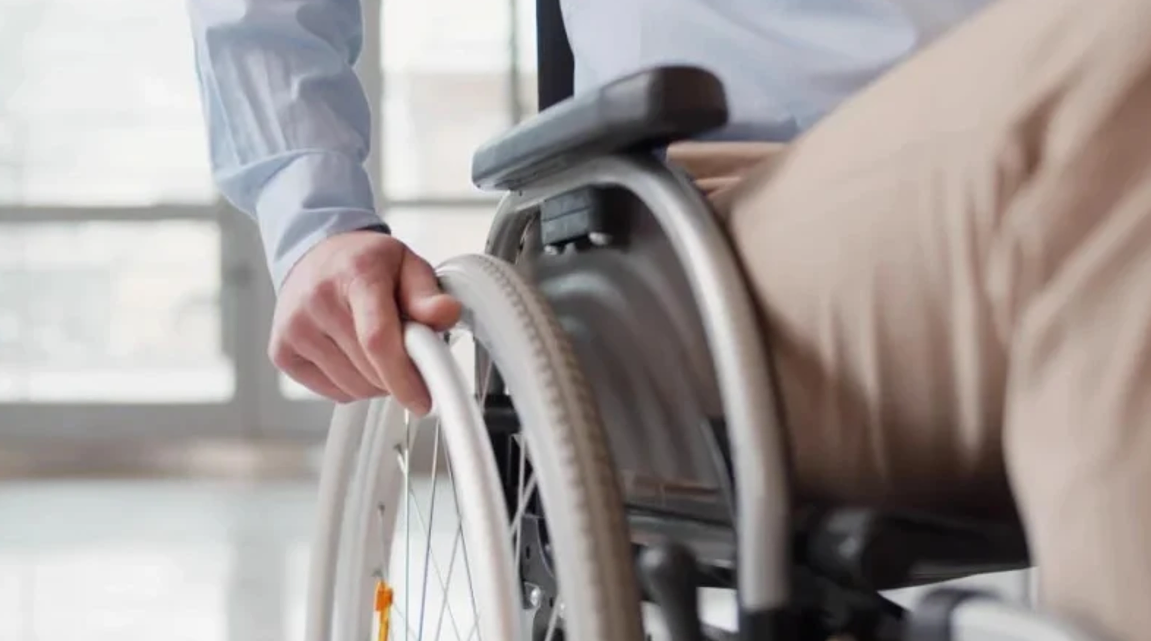
Morocco’s disability prevalence rate reached 8.7% in 2026, including 2.3% of people with severe disabilities, Secretary of State for Social Inclusion Abdeljebbar Rachidi said Thursday in Rabat.
Speaking at a press conference dedicated to presenting the preliminary findings of the third National Disability Survey, Rachidi noted that the rate had increased by 1.9 percentage points compared with the results of the 2014 survey, which put the share of people with disabilities in Morocco at 6.8%.
This increase is mainly explained by the introduction of new disability classification tools as part of the third national survey, notably through the inclusion of children aged 2 to 17, the adoption of United Nations Children’s Fund (UNICEF) standards, as well as the expanded Washington Group questionnaire for adults aged 18 and over, Rachidi explained. He added that the rise can also be attributed to the country’s growing aging population.
The Secretary of State said that around 29% of Moroccan households include at least one person with a disability, stressing that this figure has particular social significance, as it shows that the impact of disability extends beyond the individual concerned and also affects their family, particularly in terms of care, support and direct and indirect costs.
In this regard, he noted that 65.6% of people with disabilities said that expenses related to medicines and pharmaceutical products continue to be borne by their families.
Regarding the gender breakdown, Rachidi said that the survey results, whose implementation began in January 2026, show that women account for 53.6% of people with disabilities, compared with 46.4% for men.
He also pointed out that 60.5% of this segment of the population lives in urban areas, compared with 39.5% in rural areas, underscoring the need to move from a unified policy toward more targeted strategies that take into account the actual needs of each territory.
The third National Disability Survey aims to update indicators on the prevalence of disability in Morocco, analyze the living conditions of people with disabilities and identify obstacles to their socio-economic inclusion. It also seeks to assess their access to social services, education, employment and social protection, while establishing indicators to support the development of an integrated public policy promoting their rights, he said.
According to the document presenting the preliminary findings, the third survey expanded the sample size from approximately 16,000 households in 2014 to 20,412 in 2026, thereby strengthening the production of more representative data. A cartographic framework and a sample designed on statistical bases enabling the results to be generalized to the target population were also adopted.
Operationally, 47 teams and 236 surveyors were mobilized. Field teams were trained and research tools selected before the effective launch of the survey, with the aim of improving understanding of the questions and the logical flow of the questionnaire and ensuring consistency in its implementation.
The survey results also show that the main expectations of people with disabilities and their families concern ensuring effective access to rights and basic services, particularly in the areas of health, education and employment.
The presentation of the preliminary findings of the third National Disability Survey, conducted by the State Secretariat for Social Inclusion in partnership with the High Commission for Planning (HCP), the National Observatory for Human Development (ONDH) and the United Nations Population Fund (UNFPA), was attended by several officials, civil society representatives and stakeholders working in the field.