



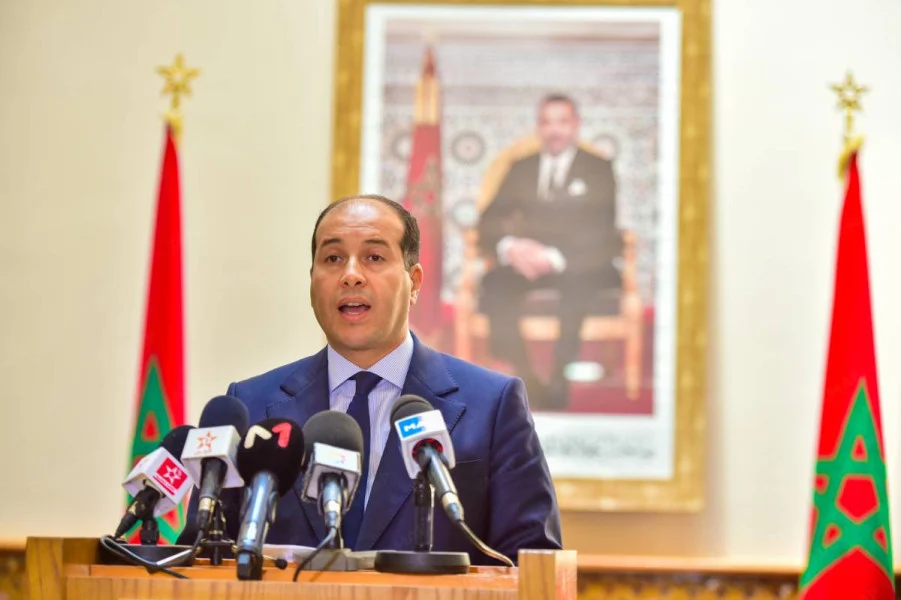

Morocco’s Ministry of the Interior has stated that the recent events at the border crossings leading to Ceuta and Melilla were neither spontaneous nor the result of temporary circumstances. According to the Ministry’s spokesperson, Rachid El Khalfi, the incidents stemmed from a combination of interconnected factors, including the spread of misleading information across digital platforms, the exploitation of online spaces by human trafficking networks, and misinterpretations of certain legal decisions.
Moroccan authorities explained that false and misleading information circulated online led many prospective migrants to believe they could gain easy access to Europe without facing legal consequences. This perception particularly encouraged attempts to swim to Ceuta, with some believing that such crossings would allow them to avoid immediate return procedures.
In response, public authorities implemented a proactive strategy focused on strengthening vigilance, mobilizing security services, increasing land and maritime surveillance, and enhancing coordination among the relevant authorities. According to the Ministry, the objective was to protect lives, maintain public order, and secure the country’s borders while ensuring that all interventions complied with the law and the principle of proportionality.
Official figures indicate that approximately 40,000 people attempted to reach Ceuta, while nearly 1,135 headed toward Melilla. Authorities added that everyone who managed to reach Melilla was immediately returned in accordance with the applicable procedures.
Regarding the human toll, the Ministry reported one accidental death caused by a fall from a rocky area near Ceuta, in addition to ten deaths by drowning. Moroccan authorities are continuing to verify, through official cooperation channels with their Spanish counterparts, reports concerning other possible fatalities, as well as the identities and nationalities of those involved.
The competent Public Prosecutor’s Office has launched several judicial investigations to clarify the circumstances surrounding these events, identify those responsible, and dismantle criminal networks involved in organizing irregular migration.
The Ministry of the Interior reiterated that managing migration can only be achieved through a comprehensive approach based on shared responsibility, effective solidarity, and burden-sharing among partner countries. Morocco reaffirmed its commitment to strengthening international cooperation and coordination in combating irregular migration and human trafficking.
At the same time, the Kingdom of Morocco stressed that it will continue taking all necessary measures to preserve public order, safeguard border security, and protect people and property while fully respecting the rule of law and the country’s national and international commitments.