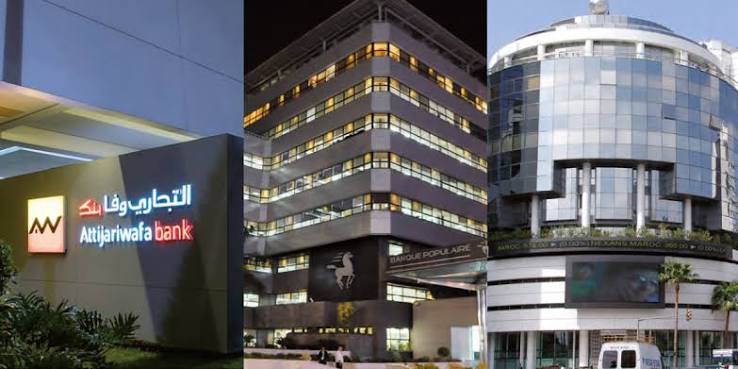
Morocco’s banking sector is strengthening its commitment to very small enterprises through a financing target of MAD 18 billion in 2026. This initiative comes as micro, small, and medium-sized enterprises account for 99.5% of the country’s business landscape but continue to face structural barriers to accessing finance. Through expanded guarantee mechanisms, improved credit risk assessment, and stronger business support, Morocco aims to transform bank lending into a powerful engine of productive investment and economic growth.
Financing micro, small, and medium-sized enterprises remains one of the major challenges facing Morocco’s economic transformation. Despite their considerable contribution to the national business ecosystem, these companies continue to encounter financial constraints that limit investment, expansion, and job creation.
Banking data nevertheless indicate gradual improvements in access to credit. MSMEs now account for 41% of outstanding bank loans to the private sector, compared with only 27% in 2011. This increase reflects a significant evolution in the relationship between financial institutions and smaller businesses. However, access to finance remains insufficient relative to the needs of an economy dominated by small-scale enterprises.
Very small enterprises alone represent 94% of Morocco’s MSMEs. A substantial proportion generate annual revenues below MAD 1 million, limiting their ability to finance operations internally and meet conventional bank lending requirements.
Accelerating Banking Support for Small Enterprises
For 2026, Moroccan banks have established a target of MAD 18 billion in loans to very small enterprises. By the end of the first half of the year, financing extended to these businesses had reached MAD 7 billion, reflecting progress while highlighting the additional effort required to meet the annual objective.
Entrepreneurs continue to face several obstacles, including insufficient collateral, limited equity capital, cash-flow difficulties, and uncertainty surrounding commercial prospects. These constraints are frequently compounded by inadequate financial reporting and difficulties in presenting projects that meet banks’ credit assessment standards.
New Mechanisms to Improve Access to Credit
To address these challenges, Bank Al-Maghrib is supporting the development of a national credit rating system for very small enterprises. The initiative is designed to provide banks with more comprehensive information about borrowers and enable more accurate assessments of their financial circumstances.
At the same time, public credit guarantee mechanisms are being strengthened. Coverage under the Tamwil Al Istitmar program for very small enterprises has increased from 70% to 75%, while the Ilyaki guarantee scheme can provide coverage of up to 80%. These measures aim to reduce lenders’ exposure to risk and facilitate financing for entrepreneurs with economically viable projects.
Turning Finance into an Engine of Industrial Growth
The challenge now extends beyond increasing the volume of loans. Greater emphasis must be placed on directing financial resources toward productive investment, equipment modernization, innovation, and employment creation.
Small industrial manufacturers, component suppliers, maintenance service providers, and specialized technical companies are among the businesses that could benefit most from more accessible financing. Tailored financing solutions could also strengthen domestic value chains and improve the participation of Moroccan businesses in major industrial projects.
For the banking sector, the success of this transformation will depend on its ability to combine lending with entrepreneurial support and a deeper understanding of the operational realities facing small enterprises. Over time, broader access to credit could become a major instrument for productive diversification, regional development, and the consolidation of Morocco’s entrepreneurial ecosystem.