




Morocco is preparing a new phase of its energy and industrial transformation through climate-related investments estimated at MAD 140.58 billion by 2030. Primarily driven by public enterprises and institutions, the planned projects cover renewable energy, mining decarbonization, infrastructure modernization, and energy efficiency. The strategy reflects the Kingdom’s determination to strengthen energy sovereignty, enhance industrial competitiveness, and position itself within emerging global value chains.
Morocco is accelerating preparations for strategic investments in energy, mining, and sustainable infrastructure. This momentum forms part of a broader transformation of the country’s productive model, increasingly shaped by energy competitiveness and the need to reduce industrial emissions.
A project identification exercise involving 40 public institutions and enterprises identified, among the 19 entities submitting relevant proposals, a total planned investment portfolio of MAD 155.24 billion through 2030.
Of this amount, approximately MAD 140.58 billion relates to climate-focused components, demonstrating the importance attached to energy transition and economic adaptation to environmental challenges.
The investment portfolio covers several strategic areas, including renewable electricity generation, industrial process decarbonization, transport infrastructure, and energy equipment modernization.
Mining at the Heart of Industrial Transformation
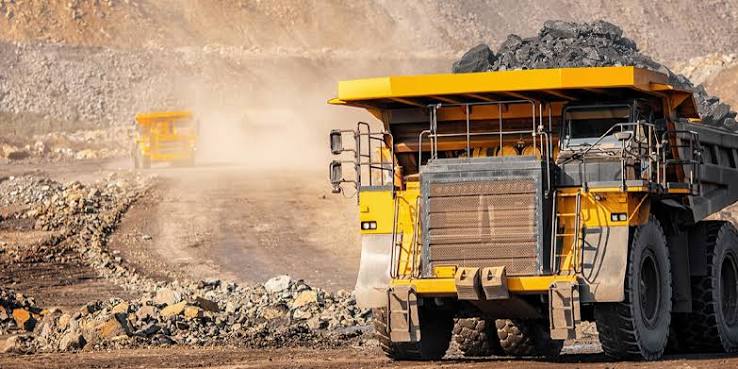
The mining sector occupies a central position in this strategy, particularly through projects aimed at modernizing phosphate-related industrial activities. Identified initiatives include the electrification of industrial processes, including phosphate drying, as well as the development of carbon capture and utilization technologies.
These measures are intended to progressively reduce dependence on conventional energy sources while improving the energy efficiency of production facilities.
For OCP Group, decarbonization also represents a major international competitiveness challenge. Environmental requirements are becoming increasingly influential in global trade and the procurement strategies of major industrial customers. The ability to produce phosphates and fertilizers with a lower carbon footprint could therefore provide Morocco with a strategic advantage in international export markets.
Renewable Energy Supports Industrial Ambitions
The investment program also identifies projects representing 1.2 gigawatts of renewable energy and storage capacity, designed to support evolving electricity requirements.
These investments are expected to diversify electricity generation sources and improve energy supply conditions for industrial companies. Access to competitively priced electricity is particularly important for energy-intensive sectors such as mining, chemicals, metallurgy, and manufacturing. Planned investments also include logistics infrastructure, with railway electrification projects and the modernization of energy systems at port facilities.
At Tanger Med, a shore-side electricity supply project covering nearly four kilometers of port infrastructure could prevent more than 25,000 tonnes of carbon dioxide emissions annually.
A Major Financial and Industrial Challenge
Implementing these programs will require substantial capital mobilization and closer coordination among public operators, financial institutions, and industrial partners. A prospective portfolio of 17 projects, promoted by seven public institutions and enterprises, has also been identified to contribute to Morocco’s national climate objectives through 2035.
However, the announced investment amounts represent planned projects rather than completed expenditures. Their implementation will depend on technical readiness, financing decisions, and the execution capabilities of the institutions involved.
For Morocco, the energy transition has become far more than an environmental obligation. It represents a strategic instrument for industrial competitiveness, supply security, and the development of national resources. The success of this strategy will depend on the Kingdom’s ability to transform announced financial commitments into operational infrastructure, technological capabilities, and new value-generating industries.
The long-term objective is to build an industrial economy that is less dependent on imported energy, more deeply integrated into international markets, and better equipped to meet the demands of the global energy transition.