


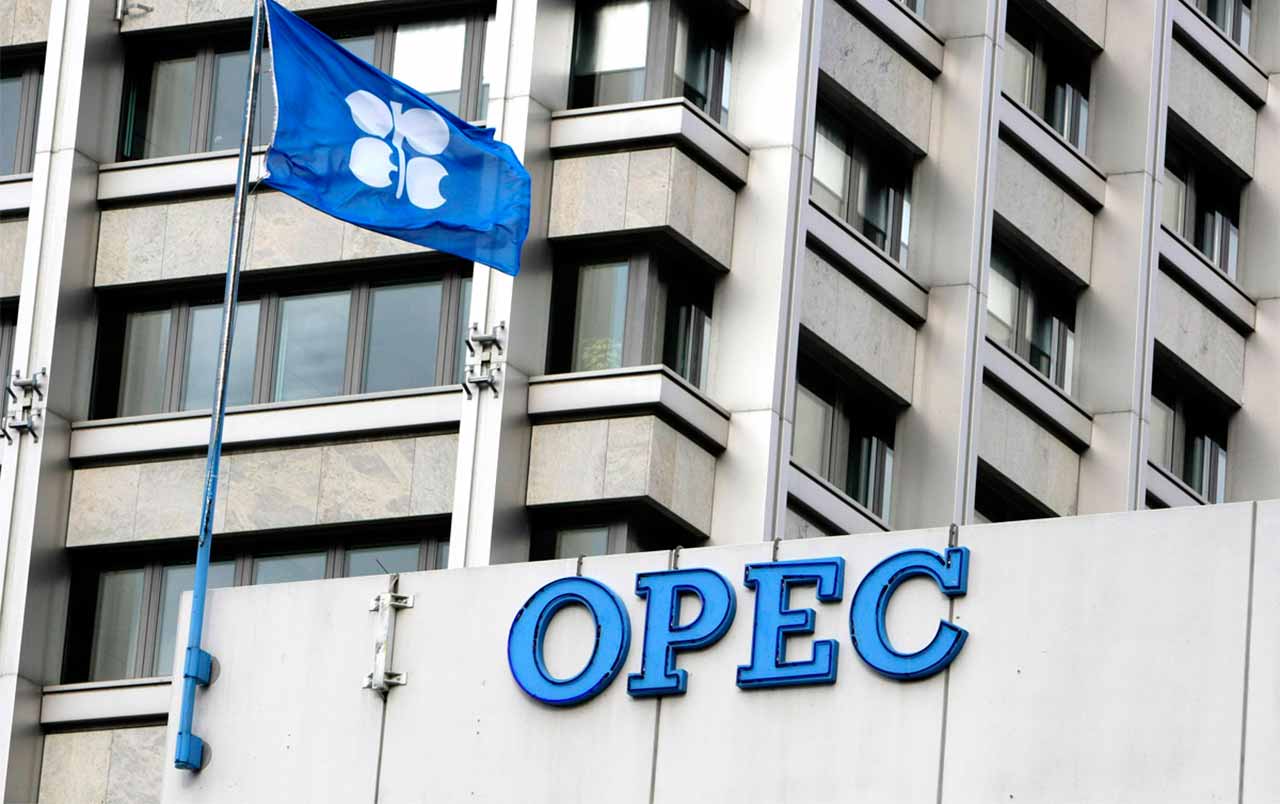

The United Arab Emirates announced on Tuesday, April 28, their withdrawal from the OPEC, the organization grouping the world’s leading oil-exporting countries, with the notable exception of the United States, Canada, and China.
Created to coordinate the petroleum policies of its members, OPEC brings together 12 producing countries. It plays, alongside its partners, a central role in regulating global oil supply and influencing prices on international markets.
Since 2016, several major producers, including Russia, have also cooperated with the organization within the framework of the OPEC+, an informal structure designed to set production quotas and stabilize the global oil market.
Within this arrangement, OPEC+ controls a significant share of global oil production, making it a key actor in the overall balance of the energy market.
The UAE’s withdrawal represents a major development that could reshape internal dynamics within the organization, as well as coordination mechanisms among producing countries.
As one of the leading producers within the group, the UAE holds substantial production capacity and has in recent years sought greater strategic flexibility to maximize its energy potential.
This move comes amid heightened volatility in oil markets, driven by ongoing geopolitical tensions and persistent uncertainty over global supply.
Analysts believe the decision could further fragment global oil governance and increase uncertainty regarding price trends in the short and medium term.